 ultimate-guide
Steps to Sell a Luxury Home: A Complete Guide
Table of Contents
- Step 1: Get a Pre-Listing Inspection and Make Strategic Repairs
- Step 2: Price Your Luxury Home Using Comparative Market Analysis
- Step 3: Stage Your Home and Maximize Curb Appeal
- Step 4: Invest in Professional Photography and Virtual Tours
- Step 5: Develop a Marketing Strategy for High-End Real Estate
- Step 6: Hire a Luxury Real Estate Broker Who Understands Your Market
- How Long Does It Take to Sell a Luxury Home?
- Step 7: Navigate Closing, Contingencies, and Tax Implications
- Frequently Asked Questions
Last Updated: September 1, 2026
Step 1: Get a Pre-Listing Inspection and Make Strategic Repairs
A pre-listing inspection reveals what buyers will discover during their own inspection, giving you the chance to address issues on your terms before the market sees them. This separates sellers who control the narrative from those blindsided during negotiations.
Hire a licensed inspector to walk the property thoroughly. In a luxury market, buyers expect perfection or transparency. Focus repairs on items that directly impact value: roof condition, HVAC systems, electrical infrastructure, plumbing, foundation integrity, and water damage. The strategy isn't fixing everything, it's fixing the right things. A $15,000 roof repair protects your asking price; a $3,000 paint touch-up doesn't.
Document everything. Keep receipts, warranties, and inspection reports organized. Buyers want proof that work was done properly, which builds confidence and reduces friction during closing.
Step 2: Price Your Luxury Home Using Comparative Market Analysis
Pricing a luxury home incorrectly is the costliest mistake in this process. Price too high and your home sits unsold while the market moves. Price too low and you've left equity on the table forever.
Comparative market analysis (CMA) is the foundation of luxury home pricing. It's a data-driven assessment of what similar properties sold for recently in your area. A proper CMA examines homes genuinely comparable in square footage, lot size, age, condition, and location, accounting for recent sales, active listings, and expired listings.
The mistake most sellers make is anchoring to outdated information. What matters is what comparable homes sold for in the last 60-90 days. Market conditions shift. Interest rates change. Buyer preferences evolve.
Work with a real estate professional who specializes in luxury homes in your area. Nathan Fine - Broker Associate at Luxe Places International Realty analyzes comparable sales across Sonoma, Mendocino, and Lake Counties to identify the precise price point that attracts qualified buyers while maximizing your equity.
Pricing strategy matters as much as the number itself. Some sellers price slightly below market to generate bidding wars. Others price at market and let quality speak. A professional assessment tells you which strategy works for your situation.
Step 3: Stage Your Home and Maximize Curb Appeal
Staging transforms a house into a vision of lifestyle. Buyers imagine themselves living there, and strategic staging makes that imagination easier and more compelling.
Start outside. Curb appeal determines whether buyers even want to step inside. This means a manicured lawn, clean driveway, fresh exterior paint where needed, and a welcoming entry. Luxury buyers notice details: overgrown landscaping, weathered shutters, or a cluttered porch signal neglect.
Inside, help buyers see possibility without distraction. Remove personal items, family photos, and collections. Declutter aggressively. Empty closets, clear countertops, organize storage. Buyers want to imagine their own belongings in the space.
Lighting matters enormously. Open all curtains and blinds during showings. Add soft accent lighting in key areas. Brightness and openness create emotional appeal. Furniture arrangement should highlight room size and flow. In luxury homes, less is often more. Strategic placement of quality pieces shows potential without overwhelming the space.
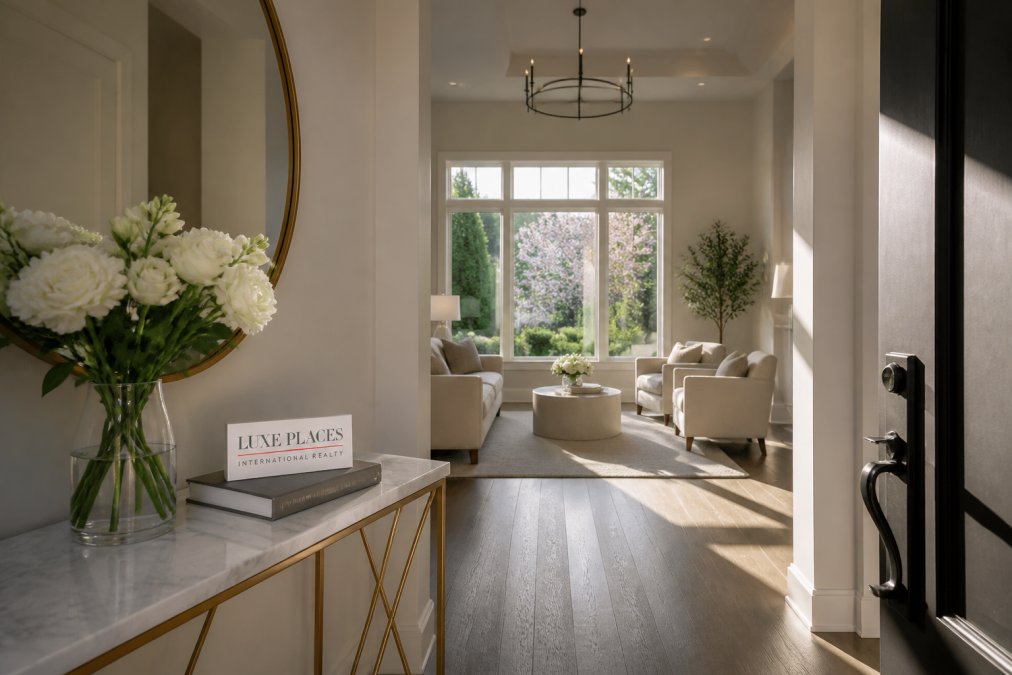
Consider hiring a professional stager if your budget allows. They understand how to position homes for maximum impact, especially valuable in luxury markets where buyers have high expectations.
Step 4: Invest in Professional Photography and Virtual Tours
Professional photography is non-negotiable in luxury real estate. Luxury buyers research online extensively. If your photos don't impress, they won't schedule a showing.
High-end real estate photography captures lighting, proportions, and ambiance that casual photos miss. Professional photographers use wide-angle lenses, proper lighting, and post-processing to present the home at its best (realtor.com). The cost, typically $500 to $2,000, is negligible compared to the difference it makes in buyer interest.
Virtual tours have become essential. A 3D walkthrough or video tour lets buyers explore the home from anywhere, especially valuable for out-of-area buyers. Professional-quality video with smooth transitions, proper audio, and attention to lighting shows respect for the property and buyer's time.
Drone photography adds impact for properties with significant outdoor space or views. Aerial shots showcase lot size, landscaping, and surroundings in ways ground-level photos cannot.
Step 5: Develop a Marketing Strategy for High-End Real Estate
Marketing a luxury home means reaching qualified, high-net-worth buyers through targeted channels where they actually look.
Start with luxury real estate portals: Luxury.com, Sotheby's International Realty network, and Christie's International Real Estate. These sites reach the right audience. Generic listing sites matter less for luxury properties; your buyers often work with agents or use specialized platforms.
Direct outreach to qualified buyers is critical. Your real estate professional should have relationships with agents representing high-net-worth clients. Off-market listings shown to select buyers before public listing can generate offers from serious, pre-qualified purchasers.
Open houses for luxury properties are often by appointment only, maintaining exclusivity and ensuring visitors are genuinely interested and financially qualified.
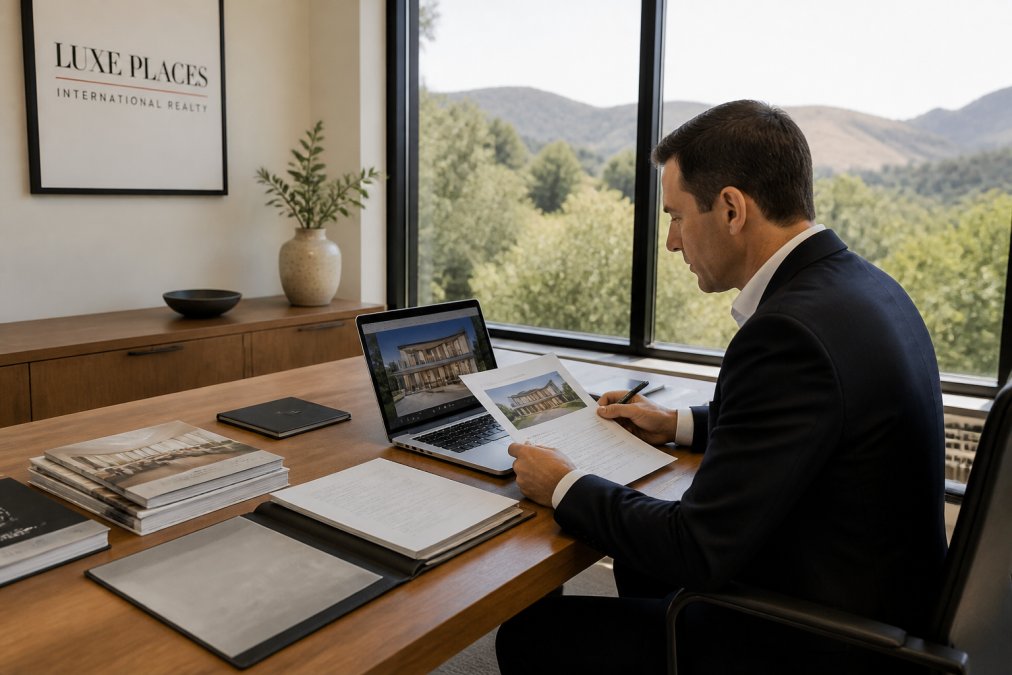
Email marketing to your agent's sphere of influence, past clients, and referral partners reaches buyers who might not search online. Many luxury transactions happen through relationships and referrals, not public listings.
Step 6: Hire a Luxury Real Estate Broker Who Understands Your Market
This decision determines the success of your entire sale. A luxury real estate specialist operates in a completely different world than a generic agent.
A luxury broker understands high-end transactions: complex negotiations, multiple contingencies, specialized financing, tax implications, and affluent buyer psychology. They have relationships with other luxury agents, access to off-market opportunities, and experience closing large deals.
Look for someone with a track record selling luxury homes in your specific market. Sonoma County, Mendocino County, and Lake County each have distinct buyer pools and market dynamics. An agent who knows your area intimately understands local trends and what buyers actually want.
Experience matters. How many luxury homes has this agent sold in the last two years? What's their average sale price? Ask for references and verify claims. Nathan Fine - Broker Associate at Luxe Places International Realty brings third-generation real estate expertise to luxury transactions across Sonoma, Mendocino, and Lake Counties, ensuring your home reaches qualified buyers and your sale closes smoothly.
Communication is critical. You need an agent available when you need them, not someone who disappears during escrow. Ask directly about accessibility and response time.
Evaluate their marketing approach. Do they use professional photography? Will they invest in virtual tours? Do they have a plan for reaching luxury buyers specifically?
How Long Does It Take to Sell a Luxury Home?
The timeline for selling a luxury home varies based on market conditions, pricing, and property quality. Generally, luxury homes take longer to sell than standard residential properties because the buyer pool is smaller.
In a balanced market, expect 60-120 days from listing to closing (nar.realtor). In a strong seller's market, homes can sell within 30-45 days. In a slower market, 6+ months is not uncommon. Properties priced correctly and marketed effectively tend to sell faster.
Several factors influence timeline:
- Pricing accuracy: Correctly priced homes attract qualified buyers quickly. Overpriced homes languish.
- Market conditions: Strong demand shortens timelines. Weak demand extends them.
- Property condition: Homes in excellent condition with no inspection issues close faster.
- Financing complexity: Cash buyers close faster than those requiring financing.
- Contingencies: Inspection, appraisal, and sale-of-other-home contingencies all add time.
The closing process itself typically takes 30-45 days after an offer is accepted. Luxury transactions sometimes take longer due to complexity or custom terms.
Step 7: Navigate Closing, Contingencies, and Tax Implications
The closing phase is where deals either finish strong or fall apart. Understanding the process protects your equity and ensures a smooth transaction.
Contingencies are conditions that must be met for the sale to complete. The most common are inspection contingencies, appraisal contingencies, and financing contingencies. In luxury transactions, contingencies become negotiating points. A strong offer might waive the inspection contingency entirely, demonstrating serious intent.
Appraisal contingencies matter significantly. If the property appraises below the purchase price, the lender won't fund the full loan amount. Pricing your home accurately minimizes appraisal risk.
Insurance contingencies are critical in areas prone to wildfires. Luxury buyers in Sonoma and Mendocino Counties need confirmation that the property can be insured at reasonable rates. Verify insurability early and disclose any issues transparently.
Tax implications deserve professional guidance. Depending on how long you've owned the property and whether it's your primary residence, capital gains implications vary significantly. Consult a tax professional before listing to understand your obligations.
Closing costs typically run 1-3% of the sale price for the seller, including agent commissions, title insurance, escrow fees, and transfer taxes (consumer.ftc.gov). Understand your expected costs upfront.
The final walkthrough, typically 24 hours before closing, confirms the property is in agreed-upon condition and negotiated repairs are complete.
| Phase | Timeline | Key Actions |
|---|---|---|
| Pre-Listing | 2-4 weeks | Inspection, repairs, pricing analysis, staging |
| Marketing & Showings | 30-120 days | Professional photos, tours, targeted marketing, showings |
| Offer & Negotiation | 1-2 weeks | Review offers, counter, reach agreement |
| Inspection & Appraisal | 10-14 days | Buyer's inspection, appraisal, contingency management |
| Closing Preparation | 15-30 days | Title work, final walkthrough, closing coordination |
| Closing | 1 day | Sign documents, transfer funds, record deed |
Selling a luxury home requires strategy, expertise, and attention to detail at every stage. The steps outlined here form a roadmap for maximizing your equity while minimizing stress. The difference between a successful luxury sale and a frustrating one often comes down to working with someone who understands both the market and your specific situation. Contact Nathan Fine - Broker Associate at Luxe Places International Realty to discuss your luxury home sale and discover how dedicated advocacy and creative problem-solving can ensure your transaction closes smoothly and profitably.
Frequently Asked Questions
How long does it take to sell a luxury home?
The timeline for selling a luxury home typically ranges from 3 to 6 months, though this varies based on market conditions, pricing strategy, and property location. Homes priced correctly and marketed effectively to high-net-worth buyers often sell faster. Factors like seasonal demand, local market saturation, and the property's unique features all influence how quickly your luxury home attracts qualified buyers and closes.
What are the most effective luxury home staging tips?
Focus on decluttering, highlighting architectural features, and creating inviting outdoor living spaces. Use neutral colors, quality furnishings, and strategic lighting to showcase the property's luxury amenities. Professional staging emphasizes flow between rooms, creates distinct lifestyle zones, and removes personal items that distract buyers. High-end properties benefit from staging that appeals specifically to affluent buyers' expectations for elegance and functionality.
What tax implications should I consider when selling a luxury home?
Consult a tax professional about capital gains taxes, which depend on your holding period and profit amount. If you've owned the home as your primary residence for at least 2 of the last 5 years, you may qualify for the primary residence exclusion. Additional considerations include deductible selling expenses, potential state taxes, and how the sale affects your overall tax bracket. Professional guidance ensures you understand your obligations before closing.
Should I list my luxury home on the open market or pursue off-market sales?
Both strategies have merit depending on your goals. Open-market listings maximize exposure to all potential buyers and create competitive bidding. Off-market sales offer privacy, faster timelines, and appeal to buyers seeking discretion. Many luxury sellers benefit from a hybrid approach: starting with select off-market showings to qualified buyers, then expanding to broader marketing if needed. Your real estate broker can help determine the best strategy for your property and market conditions.
This article was written using GrandRanker